 CEDS
CEDSSummary Background Industry Clusters
The Regional Picture
Six Clusters. One Connected Economy.

- Industry Roles
- Shared Systems
- Regional Opportunity
Introduction
Six Clusters. One Connected Economy.
The region’s industries do different jobs. Energy and agriculture anchor production, tourism and aerospace widen the opportunity set, and healthcare and education help every community and employer function. This chapter shows their scale, concentration, county roles, and investment needs together.
Look Beyond the Largest Employer
A cluster is more than one company or facility. It includes suppliers, skilled workers, institutions, infrastructure, and the markets that connect them. The report uses three signals to compare regional industries:
How much of the regional workforce a cluster supports.
How specialized the region is compared with the nation; 1.0 is the national benchmark.
Whether an industry is growing, holding steady, or moving into a new role.
Choose an Industry to Explore
Each profile connects economic measures with its five-county map, current pressures, and practical opportunities. The imagery and color help distinguish the sectors as you move through the chapter.
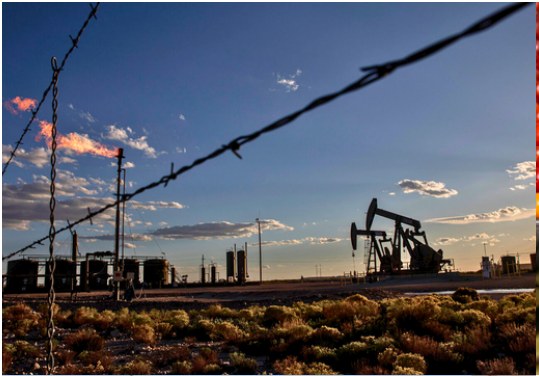 The industrial anchorFossil EnergyExplore Cluster ↗
 Production and processingAgriculture & FoodExplore Cluster ↗
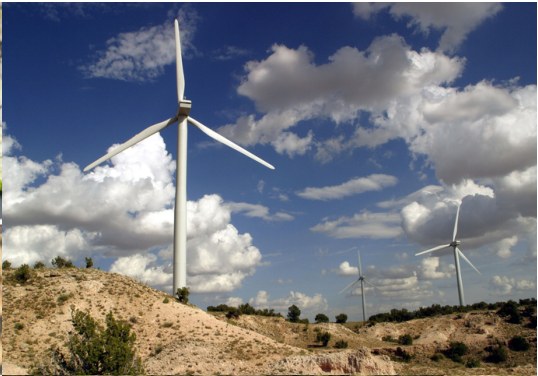 New power pathwaysRenewable EnergyExplore Cluster ↗
 Technical capabilityAerospace & ManufacturingExplore Cluster ↗
 Experience and placeTourism & Creative EconomyExplore Cluster ↗
 Capacity for every clusterHealthcare & EducationExplore Cluster ↗
Strength Comes From the Links
Energy and agriculture are major production engines, but the regional opportunity is larger than any single sector. A trained technician, a reliable freight route, a local fabricator, or a functioning healthcare network can strengthen several clusters at once.
Protect productive capacity and help local firms compete for more of the supply chain.
Connect workers to technical pathways that serve both established and emerging employers.
Plan roads, utilities, housing, and public services where growth creates pressure.